
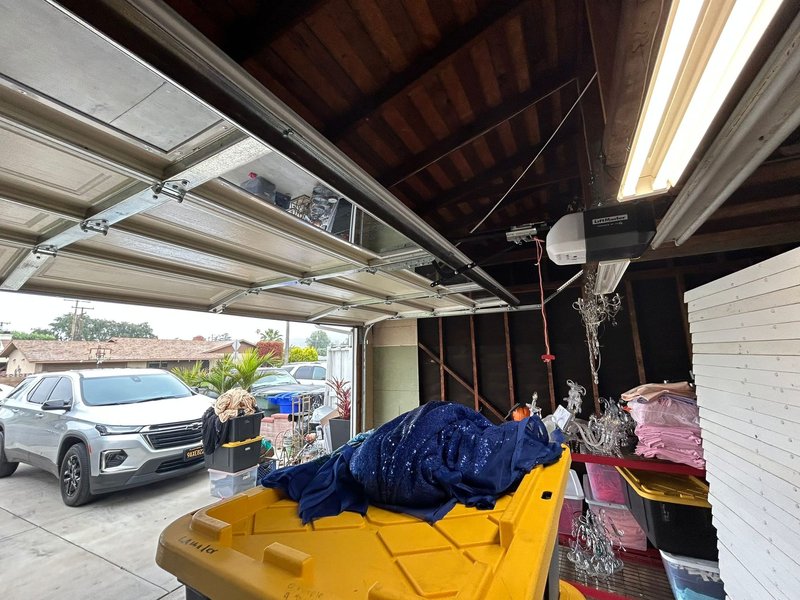
Walk into a garage in Riverside, Corona, or Moreno Valley on a July afternoon and it can feel ten to fifteen degrees hotter than the driveway outside. Most homeowners blame the sun on the driveway or the lack of shade, but the real culprit is often a thin, uninsulated steel door acting like a radiator. If your garage doubles as a workshop, laundry area, or home gym, or if it shares a wall with a bedroom, insulation is one of the few upgrades that pays you back every single day of summer.
Why This Matters More Here Than Almost Anywhere
The Inland Empire sees more consecutive 100 degree days than coastal cities, and stucco tract homes with south or west facing garages take the brunt of it. A hollow steel door has almost no thermal mass, so it heats up fast and holds that heat long after sunset. That heat radiates through the wall shared with the house, works against your air conditioner, and can shorten the life of anything stored nearby, from paint cans to a second refrigerator. On the flip side, our winter nights and Santa Ana wind events push cold air through gaps just as easily, so insulation is not a one season fix.
What an R-Value Actually Tells You
Every insulated door is rated with an R-value, a measure of resistance to heat flow. A higher number means better insulation, but the number alone does not tell the whole story. Manufacturers test doors differently, some rating only the insulation layer and others rating the assembled panel with steel skins. A door rated R-9 to R-13 is typically a solid, mid-range choice for most Riverside homes, while R-16 to R-18 doors are worth considering if the garage is attached to living space or used as a workshop. Do not compare R-values across brands without checking whether the number reflects the whole door assembly, because two doors with the same rating can behave very differently in real heat.
Polystyrene vs Polyurethane: The Real Difference
Most insulated doors use one of two materials sandwiched between steel skins.
- Polystyrene panels are rigid foam boards inserted into the door's frame. They are lighter, less expensive, and easier to service, but they leave small air gaps around the edges that reduce efficiency slightly.
- Polyurethane foam is injected between the steel skins and expands to fill every corner, bonding to the metal. This creates a stiffer, quieter, better sealed panel with a higher effective R-value for the same thickness, though the door costs more and is heavier on the opener.
If you are weighing the two, think about how the garage is used. A polystyrene door is a reasonable upgrade for a garage that just stores cars and tools. A polyurethane door earns its keep faster if you spend real time in the space or if the garage backs up to a bedroom wall.
Insulation Alone Will Not Fix a Leaky Door
A well insulated panel with a gap along the bottom seal or worn weatherstripping around the frame is still letting heat and dust pour in. Before spending money on a new insulated door, it is worth having the existing seals, bottom astragal, and perimeter weatherstripping inspected. Sometimes the fix is far simpler and cheaper than a full door replacement. This is also the moment to check that your garage door maintenance is current, since dry rollers and hinges make a door work harder and can undo some of the benefit of insulation by letting the panels flex and gap over time.
What About the Opener and Battery Backup?
Insulated doors are usually heavier than standard steel doors, sometimes by twenty to forty pounds depending on size and material. If your current opener is older or was sized for a lighter door, it may struggle, run hotter, or wear out its drive components faster. Anytime you upgrade to an insulated door, it is worth having the opener's force settings and drive system checked, and it is a good time to confirm your setup includes battery backup so the door still operates safely during a summer power outage. Our opener repair and installation team can evaluate whether your current opener is a good match for a heavier, insulated panel.
Retrofit Kits: Worth It or Not?
Foam board retrofit kits sold for do-it-yourself installation can offer modest improvement on an older, single layer steel door, and they are inexpensive. The tradeoff is that they rarely seal as tightly as a factory insulated panel, and the extra weight from adhesive backed foam boards can throw off the spring balance on an older door. If you go this route, have the springs checked afterward, since a door that suddenly closes hard or will not stay open partway is a sign the counterbalance is now mismatched. Our spring repair and replacement team sees this often after a homeowner adds weight to a door without adjusting the springs.
Deciding If an Upgrade Makes Sense
Not every garage needs the highest R-value door on the market. Ask yourself a few honest questions: Is the garage attached to the house? Do you spend time working in it during the day? Does heat radiating through the garage wall show up on your summer electric bill? If you answered yes to any of these, an insulated door upgrade is one of the more reliable home improvements you can make, both for comfort and for protecting anything stored inside. If the garage is detached and rarely used, a lighter, less expensive door may be perfectly fine.
Getting an Honest Recommendation
Every home is different, and the right insulation level depends on orientation, existing wall insulation, and how the space is used. We offer free written on-site quotes and can walk you through real options without pushing you toward the most expensive door on the showroom floor. You can also get a rough sense of project scope using our cost calculator before we ever step onto your property. When you are ready, call (909) 264-7415 or request an appointment through our booking page, and we will help you figure out whether insulation, better seals, or a full door replacement is the right move for your garage.
Related services
When it is time to bring in a pro.