Riverside and the rest of the Inland Empire do not feel like rust country. It is dry, it is hot, and there is no salt air rolling in off the coast. But homeowners who deal with stuck gates, seized rollers, and springs that snap early usually have the same hidden culprit: corrosion that built up slowly, unnoticed, until a moving part finally gave out. Rust does not need a coastal climate to form. It only needs moisture, and this area supplies plenty of it in ways people do not think about.
Why Metal Parts Corrode Even in a Dry Climate
Sprinkler systems are the number one cause we see. A driveway gate post or the bottom corner of a garage door track sits directly in the path of a sprinkler head for years, getting wet every single morning, then baking dry in the afternoon sun. That wet-dry cycle is exactly what accelerates oxidation on steel. Add in the region's occasional heavy winter rain, morning dew that lingers longer than people expect, and dust that holds moisture against metal surfaces, and you have everything rust needs to take hold quietly.
Where Rust Starts First
Rust rarely appears everywhere at once. It shows up first in a handful of predictable places:
- Torsion springs above the door, especially at the coils near the end brackets. Surface rust here reduces the metal's flexibility and can shorten spring life significantly, which is why we always inspect springs closely as part of any garage door maintenance visit.
- Bottom brackets and rollers, which sit closest to the ground and catch the most water runoff and irrigation overspray.
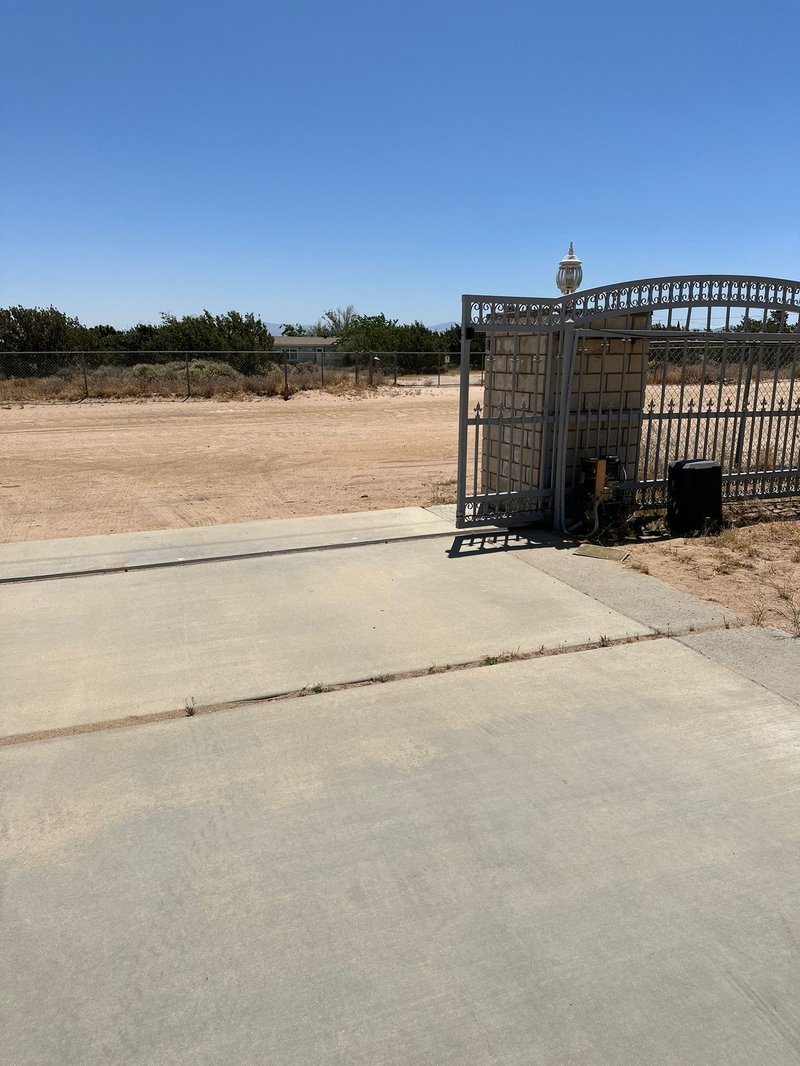
- Gate hinges, latches, and the bottom rail of driveway gates, particularly on gates near a lawn or planter bed that gets watered daily.
- Track mounting hardware inside garages that are not fully sealed, where humidity can settle overnight and never fully evaporate.
- Exposed screws and bolts on openers and safety sensor brackets, which are often the cheapest, thinnest metal on the entire system.
Warning Signs Worth Taking Seriously
Light surface rust that wipes away with a rag is usually cosmetic. What should get your attention is rust that flakes off in chunks, leaves pitting or grooves in the metal, or has spread to a spring coil in a way that makes it look rough rather than smooth and shiny. A door that suddenly feels heavier to lift by hand, a gate that grinds instead of swinging smoothly, or new squeaking that lubrication does not fix are all signs that corrosion may already be affecting how a part moves. If a spring looks rusted and you notice the door is unbalanced or slamming, do not keep opening and closing it. Rusted springs under tension can fail suddenly, and that is a job for a professional, not a DIY fix. Our team handles this regularly through garage door spring repair and replacement.
A Rust Prevention Routine You Can Actually Keep Up With
You do not need a complicated maintenance schedule to stay ahead of corrosion. A few habits, done consistently, make a real difference:
- Redirect sprinklers so they are not soaking gate posts, garage door tracks, or the bottom of the door itself every day. This alone prevents more rust damage than anything else on this list.
- Wipe down exposed metal on gates and the bottom foot or two of garage door tracks every few months, especially after a rainy stretch.
- Keep hinges, rollers, and gate hardware lubricated with a silicone-based or lithium grease lubricant. A dry hinge rusts faster because the lubricant that normally displaces moisture is gone.
- Check gate welds and joints once or twice a year for bubbling paint, which is often the first visible sign of rust forming underneath.
- Address small rust spots immediately with a wire brush and a rust-inhibiting metal paint or primer rather than waiting until the part needs replacing.
Electric gates deserve extra attention because a corroded hinge or a rusted chain can throw off the alignment sensors that keep the gate safe to operate. If you notice a gate that used to swing evenly now dragging on one side, or a slide gate that squeaks and hesitates, it is worth having it looked at through our electric gate repair service before a small hinge problem turns into a motor problem.
When Rust Becomes a Safety Issue, Not Just a Cosmetic One
The real danger with rust is that it hides where you cannot easily see it. A spring can look mostly fine on the outside while corrosion has already weakened it internally along the coil. The cables that run alongside those springs can fray where rust has roughened the surface they slide against. Off track problems often start the same way, when a rusted roller no longer turns freely and instead drags and jumps the track under load. None of these are do-it-yourself repairs, since garage door springs and cables are under heavy tension and can cause serious injury if they let go while someone is working near them.
Choosing Rust-Resistant Parts When Something Needs Replacing
When a rusted part does need to be replaced, it is worth upgrading rather than matching what failed. Galvanized or zinc-coated springs resist corrosion far better than bare steel and are a smart choice for garage doors, especially on the side of the house that gets more moisture. Stainless steel or powder-coated hardware holds up longer on driveway gates than standard hot-rolled steel hinges and latches. These upgrades usually cost only a little more up front and can add years to the life of the part. If you are weighing a repair against a full replacement, our cost calculator is a quick way to get a ballpark figure before you decide.
Rust prevention is one of those things that is easy to ignore until a spring snaps or a gate hinge seizes at the worst possible moment. A quarter hour every few months spent redirecting a sprinkler head, wiping down hardware, and applying a bit of lubricant can save you from an emergency repair call down the road. If you already see rust building up on your springs, tracks, or gate hardware and are not sure whether it is cosmetic or serious, give us a call at (909) 264-7415 and we will take a look and give you a straight answer, with a free written on-site quote if any part needs to be replaced. You can also book an appointment online at a time that works for you.
Related services
When it is time to bring in a pro.